
The Sandbox lets you explore how the engine evaluates a simulated portfolio. Guided is the path for using the product with a connected brokerage account and explicit human confirmation before a real order is sent.
What Guided adds
What does moving from Sandbox to Guided add?
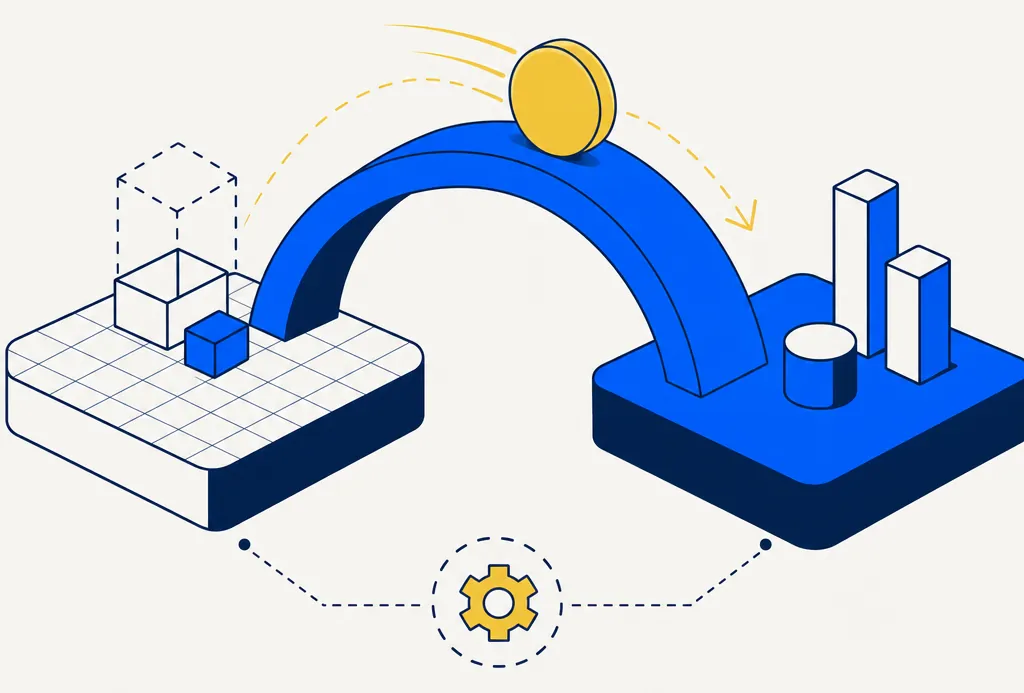
Guided connects the product to a real broker account, uses live position, cost-basis, and wash-sale information, and keeps an explicit human-confirmation step before a real order is sent. An approval PIN, when configured, is an additional safeguard.
- Connected-account context. The product can work from the account information available through the connected broker.
- Portfolio-design tools. The AI Designer can be used against the connected account rather than a sandbox simulation.
- Human confirmation. The product proposes an action; the investor explicitly confirms before a real order is sent.
- Loss tracking. The Tax Bank displays recorded losses for the account.
How to evaluate an upgrade
How should an investor decide whether Guided is appropriate?
Review the current plan terms, the connected-account experience, and the investor's own tax and portfolio circumstances. A subscription is not a promise of harvested losses, tax savings, or a break-even result.
Direct indexing can involve more portfolio complexity than a broad-market fund. Whether that complexity is appropriate depends on the investor's holdings, goals, tax circumstances, and willingness to review proposed actions.
Sandbox results are not live-account forecasts
Can a Sandbox simulation predict what a live Guided account will harvest?
No. Sandbox output is not a forecast or a proxy for a live account's losses, tax savings, or investment outcome. A live account has different holdings, entry prices, market conditions, account data, and wash-sale constraints.
Moving carefully
What is a cautious path from Sandbox to a live Guided account?
An investor can review current plan terms, connect an eligible broker account, inspect proposed actions, and decide whether to confirm them. The investor remains responsible for each real order they authorize.
For related background, see what changes with Autopilot, how subscriptions compare with percentage-of-assets fees, and what direct indexing can require.