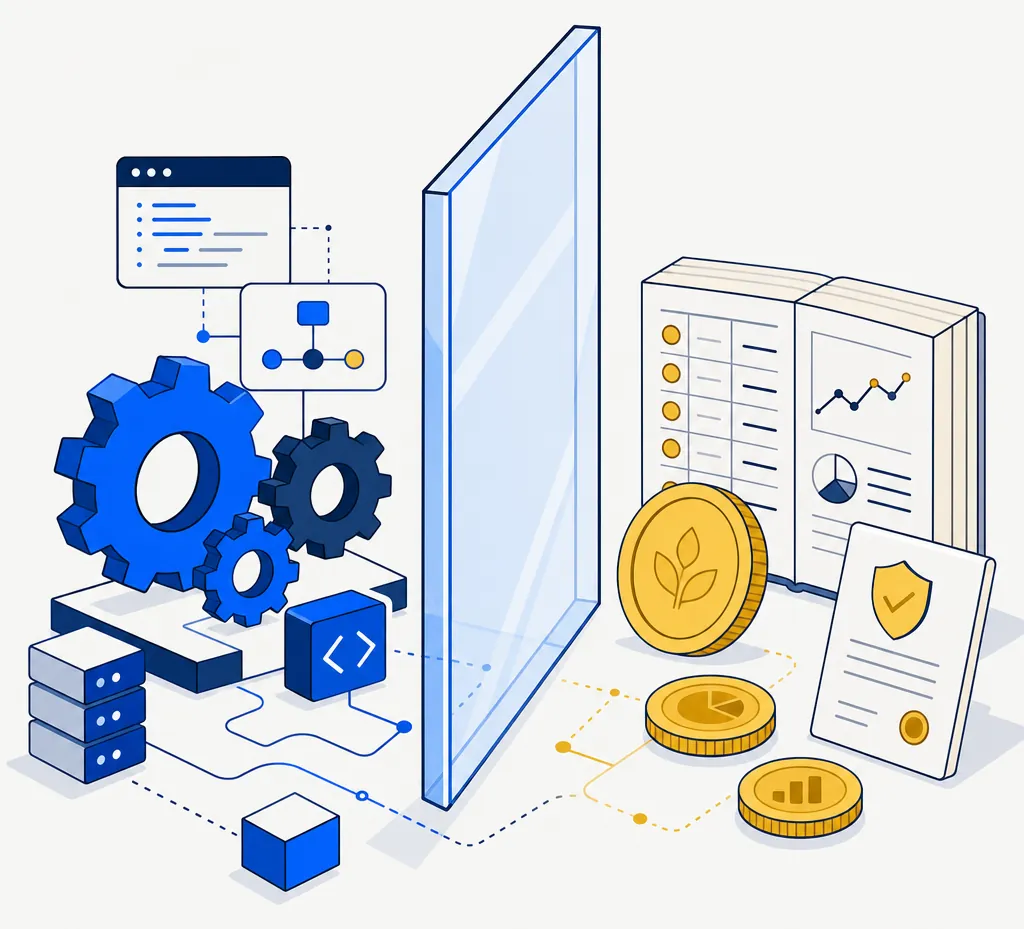
HarvestEngine uses AI. It just does not use AI the way most investing products are tempted to.
The easiest way to describe the boundary is this:
The AI helps explain, simulate, and operationalize the rules you set. It does not become a hidden investment adviser telling you what to buy.
That boundary matters legally, operationally, and philosophically.
Why the distinction matters
Why does the line between information and analysis versus specific securities advice matter for an AI-powered portfolio product?
There is a meaningful difference between helping a user understand what is happening in their account and telling them what trade to make — HarvestEngine is intentionally built around the first category, which is analysis and explanation rather than discretionary advice.
Most investors intuitively understand the difference even if they cannot quote a regulator. One is "help me understand what is happening in my account." The other is "tell me what trade to make."
What the AI should do well
What are the genuinely high-value jobs for AI in a tax-aware portfolio product?
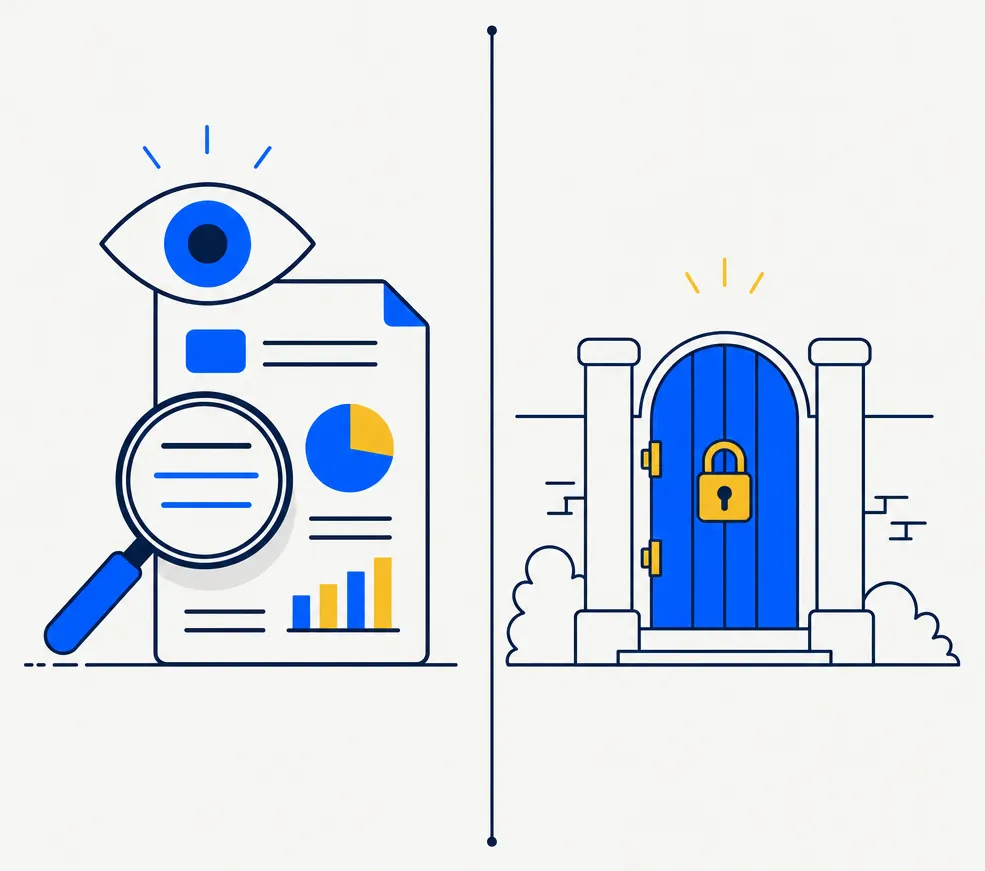
The most useful AI jobs in this context are explaining why a proposed harvest exists, showing tax-lot math clearly, surfacing wash-sale concerns, comparing replacement candidates, and translating portfolio questions into plain English — workflows that improve understanding and speed without pretending the model is an oracle.
Those are high-value workflows because they improve understanding and speed without pretending the model is an oracle.
What the AI should not pretend to be
Where is the line that HarvestEngine's AI is designed never to cross with users?
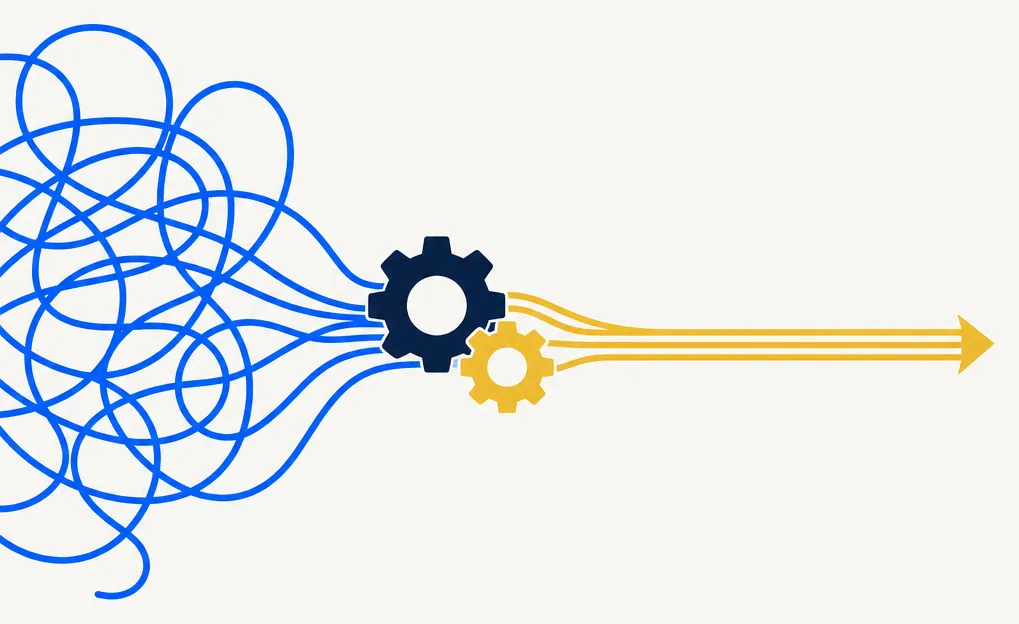
The product gets more dangerous when the AI starts sounding like an invisible discretionary manager — the AI can explain proposals, simulate trade-offs, and help execute the rules the user turned on, but it should not posture as a person giving bespoke investment advice.
That is not just a legal detail. It is also the more honest product posture.
- the AI can explain a proposal
- the AI can simulate trade-offs
- the AI can help execute the rules the user turned on
- the AI should not posture as a person giving bespoke investment advice
The product philosophy behind this
What product philosophy shapes how HarvestEngine uses AI with self-directed investors?
HarvestEngine is software for self-directed investors, which means the AI should help users think more clearly rather than replace their judgment with hand-wavy confidence — transparent, bounded, explainable, and easy to override.
Good AI in this context should be:
- transparent
- bounded
- explainable
- easy to override
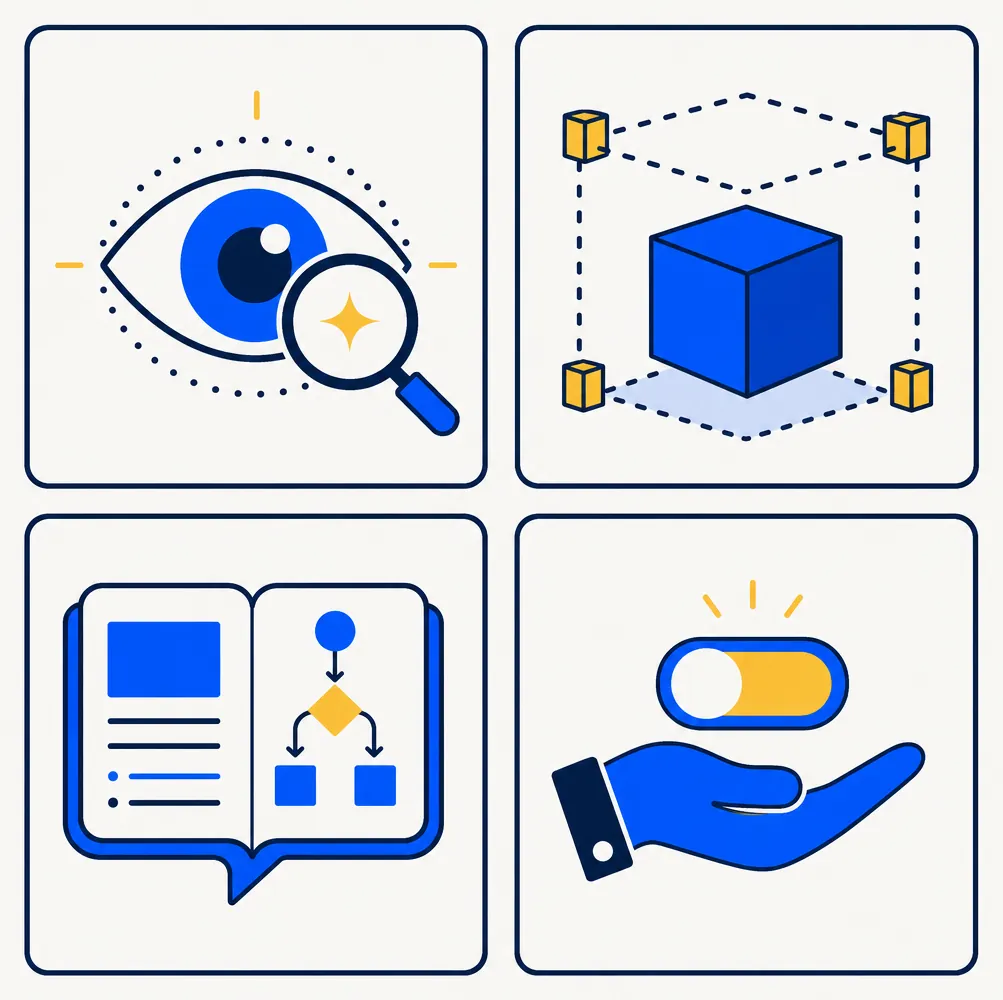
In other words, the AI should feel like a sharp operator inside a controlled system, not like a mysterious financial guru whispering trades into the account.
Why this is actually better for the user
What practical benefits does keeping the AI's role bounded and transparent provide to the user?
Keeping the boundary clean delivers three practical benefits: better trust because the user knows what the model is doing, better accountability because important trade decisions remain visible and reviewable, and better safety because the system is less likely to drift into overconfident nonsense.
This is especially important in tax-aware portfolio software, where a confident-sounding bad recommendation can create real tax damage.
What this means inside HarvestEngine
Where is the AI in HarvestEngine actually the strongest and most useful in the daily workflow?
The AI is strongest at turning complexity into clarity — explaining why a lot is being harvested, why a replacement is acceptable, what wash-sale risk exists, and what happens if a proposal is approved now versus later.
That is where AI makes the product feel more powerful without crossing into something it should not be.
The honest takeaway
What is the simplest way to describe HarvestEngine's AI boundary for users comparing it to robo-advisory products?
A lot of fintech products want the marketing upside of saying "AI" without being clear about the boundary — HarvestEngine is better off being explicit: the AI is there to help the user understand the system and operate the workflow, not to impersonate a human adviser.
That is cleaner. It is more credible. And for the kind of user HarvestEngine is built for, it is the better product.
Read this next with the founder story, TLH 101, why big firms push TLH, and the autonomy graduation rails: from Guided review to configurable automation — what changes in Autopilot?